
GROW YOUR SMALL BUSINESS AFFORDABLY AND WORRY FREE WITH FULLY MANAGED WEBSITES AND ADS
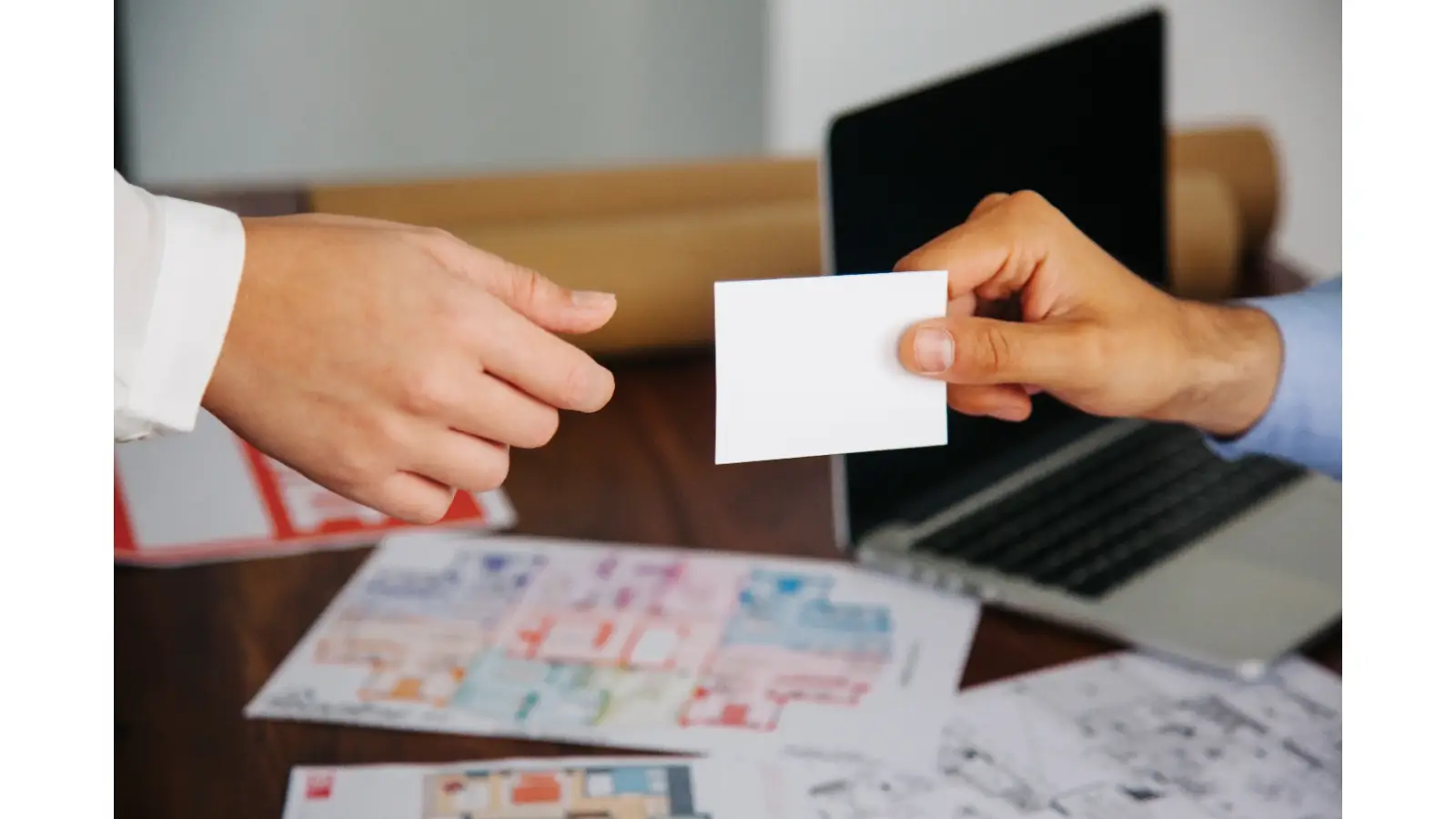
In an age dominated by digital connections, it’s easy to assume that business cards are outdated. After all, with LinkedIn, email, and instant messaging, why hand someone a tiny piece of paper when you can send a connection request in seconds? Yet for small business owners, printed business cards remain a surprisingly effective marketing asset. They are tangible, professional, and provide a lasting first impression—something that digital methods often lack.
In this article, we’ll explore why business cards still matter, what information to include, how to design them effectively, and strategies for using them in a modern small business marketing plan.
For small business owners, a business card isn’t just contact information—it’s a marketing tool. Unlike emails or social media profiles, a physical card is something people can interact with immediately. It communicates professionalism, reliability, and attention to detail.
Business cards are particularly useful in face-to-face situations, such as:
Take, for example, a freelance graphic designer attending a local startup fair. By handing out professionally designed cards, they not only give people their contact info but also showcase their aesthetic sense and professionalism. Similarly, a boutique coffee shop owner might leave cards at partner stores, giving local customers an easy way to remember and visit their business.
Even in a digital-first world, the tangible nature of business cards makes them memorable, reinforcing your brand in ways that an online profile alone cannot.
A business card is a snapshot of your professional identity. It should be simple, clear, and effective.
Essential Elements:
Optional Additions:
The trick is to avoid clutter. Overcrowded cards are hard to read and fail to leave a strong impression. Think of your card as a handshake in paper form: clean, confident, and professional.
The design of your business card is just as important as the information it contains. A well-designed card reflects the quality and care of your business.
Size and Shape:
Typography and Color:
Materials and Finish:
Small business owners don’t need to be graphic design experts to create professional cards. Programs like Ellipsis Marketing’s Print Design Program offer custom visual design for physical print media, including business cards, brochures, flyers, and more. The program includes multiple design revisions and delivers print-ready digital files, saving time and ensuring a polished result. Optional features even handle printing and shipping, making it simple to get professional materials in your hands without logistical headaches.
Even with the best intentions, small business owners sometimes make avoidable mistakes when designing business cards:
Avoiding these pitfalls ensures your card communicates professionalism and value.
Handing someone a card is just the first step; using them strategically is where the impact happens.
Networking Events: Always carry cards to trade shows, expos, or community gatherings. When meeting potential clients, hand them a card with a smile and a brief introduction—it’s a simple gesture that leaves a lasting impression.
Placement in Packages or Displays: Include cards in product packages, brochures, or at your physical location. For example, a small bakery could place cards with online ordering info in every takeout box, making it easy for customers to reorder.
Digital Integration: Include a QR code linking to your website, portfolio, or scheduling page. This bridges the gap between physical and digital, making it simple for clients to engage with your brand online.
Follow-Up: After meeting someone and exchanging cards, send a quick email referencing your interaction. This keeps you top-of-mind and reinforces your connection.
Business cards don’t have to compete with digital tools—they should complement them. Combining physical cards with online resources creates a stronger brand presence.
For instance, a consultant might hand out a business card with a QR code leading to a portfolio of services or client testimonials. The recipient gets both a tangible reminder and easy digital access. Similarly, small business owners can leverage professional guidance from resources like Ellipsis Marketing, which offers practical marketing solutions tailored for small businesses. Their experience helps businesses compete with larger competitors without overspending.
Consider a small local bookstore that participates in community events. By using high-quality, well-designed business cards and pairing them with a simple follow-up email, they saw a measurable increase in repeat customers and event attendance. Cards weren’t just a formality—they were a strategic marketing tool that complemented their online presence, reinforcing their brand both digitally and physically.
Similarly, creative professionals and local service providers often find that physical cards open doors that digital interactions alone cannot. A thoughtfully designed card can spark a conversation and provide a tangible takeaway that leaves a lasting impression.
Printed business cards are far from obsolete. For small business owners, they remain a cost-effective, professional, and tangible marketing tool. By including the right information, investing in thoughtful design, and using them strategically, business cards can continue to play an essential role in your marketing efforts.
Programs like Ellipsis Marketing’s Print Design Program make it simple to create polished, effective materials without the stress of designing and printing from scratch. In a world where first impressions matter, a well-crafted business card ensures that your business is remembered, respected, and taken seriously.