GROW YOUR SMALL BUSINESS AFFORDABLY AND WORRY FREE WITH FULLY MANAGED WEBSITES AND ADS
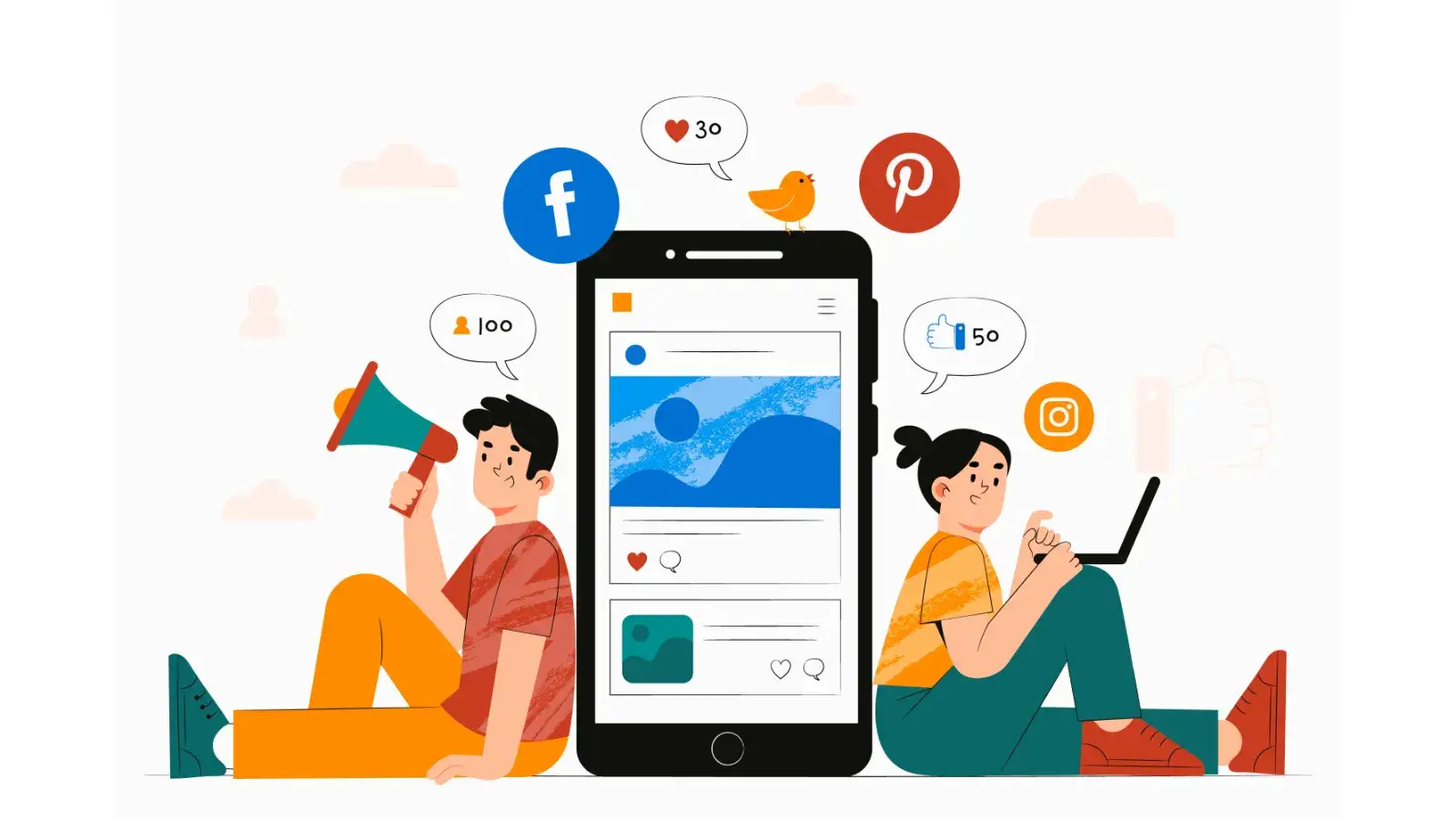
Most small businesses use social media to stay visible. They post regularly, share updates, and hope it brings customers. Sometimes it does. But in most cases, it stays limited to likes and occasional engagement. The gap is not effort. It’s approach. Social media today is not just a place to post. It’s a place where businesses can reach specific people, test ideas, and generate consistent leads through ads.
For SMEs, this is where things start to change. Because instead of waiting to be discovered, you are actively putting your business in front of the right audience. This blog breaks down how that works in practice—what platforms to use, how to approach spending, and what results you can realistically expect.
Organic content has one major limitation—it depends on algorithms. Even if someone follows your page, there is no guarantee they will see your posts. And reaching new people organically takes time. Ads remove that uncertainty.
They allow you to:
For example, a local gym doesn’t have to wait for people to discover their page. They can run ads targeting people within a specific area who are interested in fitness or recently searched for gyms. That shift—from waiting to reaching—is what makes ads powerful.
For SMEs, this means:
It turns marketing into something you can measure and improve, not just maintain.
Unlike traditional marketing, social media ads don’t rely on mass exposure. They rely on precision.
You can show your ads to:
For example, a local bakery can target people nearby who follow food or dessert pages. A consultant can reach business owners or managers. This matters because revenue doesn’t come from more views—it comes from relevant views.
Getting attention is only the first step. Revenue comes when that attention leads to action.
Social media ads are designed to guide users toward:
For example:
When the message and offer are clear, ads don’t just inform—they prompt action.
Not everyone takes action the first time they see your ad. This is where retargeting plays a key role.
You can show ads again to people who:
These users already have some interest. So the chances of conversion are higher. For SMEs, this is powerful. Instead of constantly finding new people, you are bringing back warm prospects and increasing the chances of closing a sale.
One of the biggest advantages of social media ads is that everything can be measured.
You can see:
Over time, you remove what doesn’t work and focus on what does.
For example:
This continuous improvement is what turns ads into a reliable revenue system, not just a one-time effort.
Once you find what works, you don’t start over—you scale it.
That means:
This is where real growth happens. Instead of guessing every time, you build on proven results. Over time, this creates a steady flow of leads or sales.
Not every customer buys immediately. Some discover your business through an ad, explore your offering, and come back later.
Social media ads support this journey by:
By the time a customer decides, your business is already known to them.
Not every platform will suit every business. What matters is understanding how each one works and where it fits.
For most SMEs, Facebook is the most practical place to start. It allows you to target people based on location, interests, and behavior. This is especially useful for local businesses or services.
For example:
You are not showing ads to everyone. You are narrowing it down to people more likely to respond. Another advantage is flexibility.
You can test different:
Over time, you start seeing patterns. One audience responds better. One message gets more clicks. That’s where improvement begins. At Ellipsis Marketing, our Ellipsis Facebook Ads Program is designed to help small businesses build and optimize campaigns that focus on consistent leads—not just clicks.
LinkedIn is very different from Facebook. People here are not browsing casually. They are thinking about work, growth, and business decisions.
That’s why LinkedIn works best for SMEs offering:
For example:
The audience is smaller, and the cost is usually higher. But the relevance is stronger. Instead of getting many low-quality leads, you are more likely to get fewer but more meaningful conversations. This platform works when your message is clear and specific. General messaging tends to get ignored here. When done right, even a handful of quality leads can justify the investment.
If your business depends on reaching decision-makers, LinkedIn requires a more precise approach. Through our Ellipsis LinkedIn Ads Program, we help SMEs create targeted campaigns that prioritize quality conversations over volume.
Pinterest works on a different mindset. People don’t come here to interact socially. They come to explore ideas and plan future purchases.
This makes it useful for businesses in areas like:
For example:
The important difference is timing.
Another advantage is longevity. Content doesn’t disappear quickly. It can continue to drive traffic over time. For SMEs with strong visuals, this platform can quietly build consistent interest. For visually driven businesses, Pinterest can quietly become a strong growth channel. At Ellipsis Marketing, we help SMEs design Pinterest ad strategies that align with how users discover and plan purchases.
While this blog focuses on social media, it’s important to understand how Google Ads fits into the overall picture. Social media ads show your business to people who might be interested. Google Ads shows your business to people who are already searching.
For example:
These users are closer to taking action. That’s why many SMEs use both approaches together.
While social media builds awareness, Google Ads captures customers who are ready to act. Our Ellipsis Google Ads Program helps SMEs turn high-intent searches into measurable business results.
There is no fixed budget that works for every business. What matters is how you start. The most practical approach is to begin with a test mindset.
Instead of asking, “How much will I earn?”
Start with, “What can I learn?”
In the early stage, your focus should be on:
For example, you might find:
These small insights matter. They guide your next decisions. Once you identify what works, you refine it. Then you increase your budget gradually. This way, your spending is based on evidence, not assumptions. SMEs that succeed with ads don’t rush. They build step by step.
One of the biggest challenges with ads is expectation. In the beginning, results can feel uncertain.
You may see:
It can feel frustrating at first, especially when results are slow or unclear, but this is the stage where you begin to understand what actually works—who responds, what connects, and how to improve your campaigns.
As you continue:
Gradually, you start noticing patterns—certain audiences respond better, some ads get more clicks, and a few bring actual inquiries. These small signals help you understand what is working and where to focus more.
You start receiving:
Over time, ads become more predictable. You begin to understand:
That’s when ads shift from trial to a repeatable system. The key is not waiting for results—but working towards better ones.
For many SMEs, ads feel like a risk. Something you try carefully, hoping it works. But when approached correctly, they become something much more stable—a way to generate ongoing opportunities for your business. You don’t need to be on every platform. You don’t need a large budget from the start.
What matters is:
Over time, this turns ads into a dependable part of your growth. If you’re planning to take that step, having a clear structure makes the process easier. At Ellipsis Marketing, the focus is on helping SMEs run ad campaigns that are practical, trackable, and aligned with real business goals—so every step forward is based on insight, not guesswork.