
GROW YOUR SMALL BUSINESS AFFORDABLY AND WORRY FREE WITH FULLY MANAGED WEBSITES AND ADS
March 12, 2026
Small businesses today have more ways than ever to reach potential customers. From online advertising and social media promotions to search engine optimization and content marketing, there are countless tools available to attract attention and grow a brand. However, with limited time and budgets, many business owners struggle with an important question:
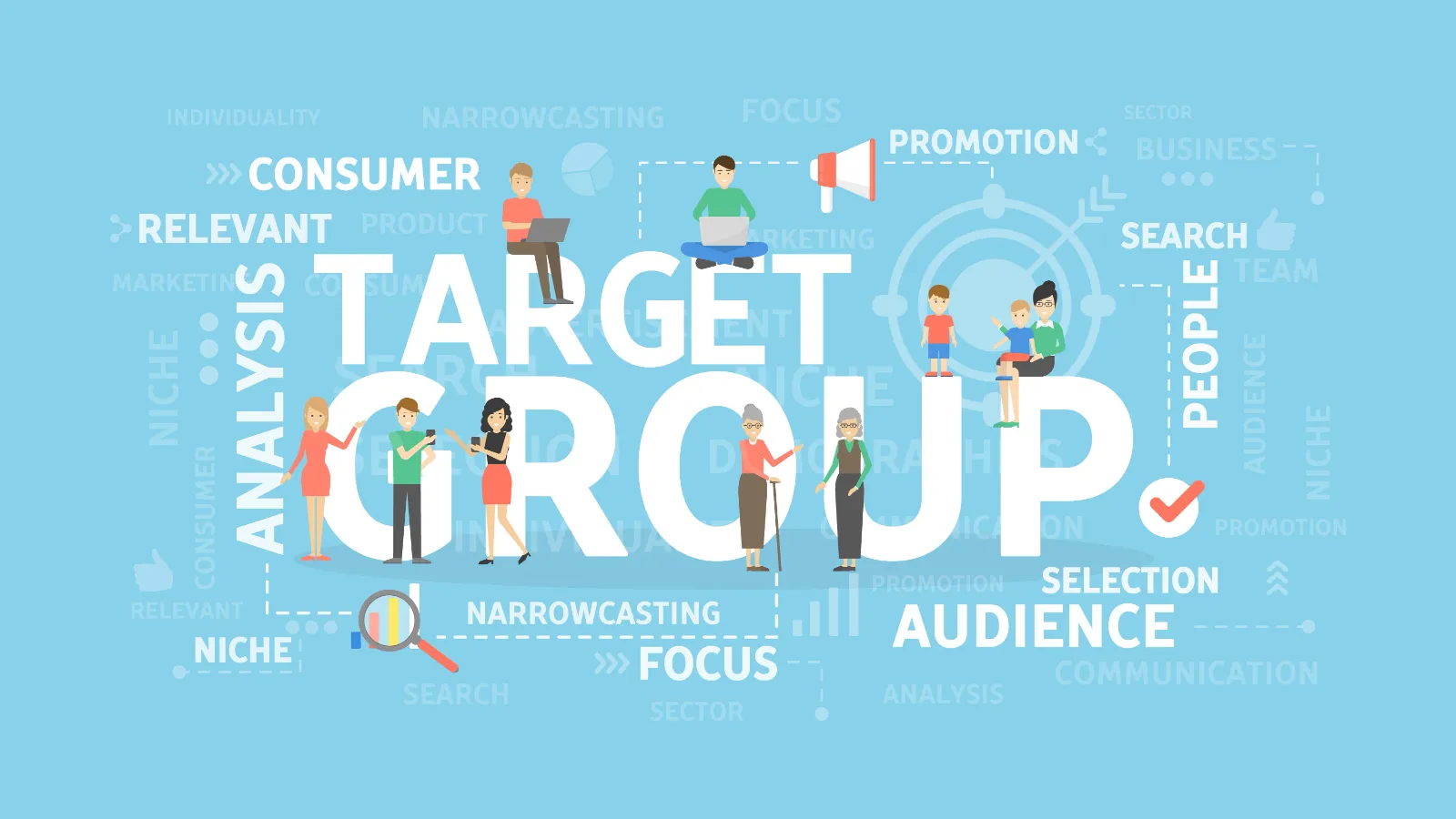
What is the most effective way to connect with the right audience?
Understanding push vs pull marketing for small businesses can help answer that question. These two strategies represent different approaches to reaching customers. Both strategies can play an important role in business growth. By understanding how they work and when to use them, small businesses can create a marketing approach that builds awareness while also attracting customers who are ready to engage.
Push marketing is a strategy where businesses actively promote their products or services directly to potential customers. Instead of waiting for people to discover the brand, companies “push” their message outward to reach a broader audience.
The main goal of push marketing is visibility. By placing marketing messages in front of people, businesses can introduce their brand to audiences who may not have been aware of it before.
For small businesses, push marketing can be especially useful when launching a new product, promoting a limited-time offer, or trying to reach new audiences in a competitive market.
Many marketing and advertising activities fall into the push marketing category because they deliver promotional messages directly to potential customers.
Common examples include:
These strategies place the brand in front of customers even if they are not actively searching for the product or service. As a result, push marketing is often effective for building awareness quickly and reaching new audiences.
Pull marketing takes a different approach. Instead of pushing messages outward, it focuses on attracting customers who are already looking for information, products, or services.
With pull marketing, customers discover a business naturally through search results, helpful content, recommendations, or online reviews. This allows people to interact with brands on their own terms, which often leads to stronger trust and more meaningful engagement.
For small businesses, pull marketing can be a powerful way to build credibility while generating consistent traffic from people who already have an interest in the product or service.
Many digital marketing strategies fall into the pull marketing category because they help customers find businesses when they are actively searching for answers or solutions.
Examples include:
Because pull marketing attracts people who already have interest or intent, it often generates highly qualified leads and stronger long-term customer relationships.
Google Ads can support both push and pull marketing strategies depending on the type of campaign being used. Some ad formats appear when users are actively searching for information, while others promote businesses to broader audiences who may not be actively looking for a product or service.
Google Search Ads are commonly considered a pull marketing strategy. These ads appear when users search for specific products or services on Google. Because the user is actively seeking a solution, search ads allow businesses to connect with high-intent customers at the exact moment they are looking for information.
Google Maps Ads are also often categorized as pull marketing. When users search Google Maps for services such as “plumber near me” or “electrician in Oakland,” promoted listings may appear in the results. Since customers are actively searching for a nearby business to meet their needs, these ads function similarly to other pull-based marketing activities.
However, some Google advertising formats operate more like push marketing. Google Display Ads, for example, appear across websites and apps throughout the internet. These ads introduce businesses to users who may not be actively searching for those services at that moment, helping build brand awareness and reach a wider audience.
By combining these different formats, businesses can reach customers at multiple stages of the buying journey. High-intent searches can be captured through search and maps ads, while display advertising introduces the brand to new audiences.
One of the most effective pull marketing strategies for small businesses is search engine optimization (SEO). When a website ranks for relevant keywords, potential customers can discover the business exactly when they are searching for related products or services.
Strong SEO requires consistent effort. Businesses need to optimize website content, improve technical performance, and build authority through valuable information and relevant keywords.
The Ellipsis SEO Program is designed to help businesses strengthen their presence in search results through a structured and flexible approach. The program includes essential SEO features as well as optional add-on services that can be customized based on each company’s goals. This allows businesses to focus on the strategies that will have the greatest impact on their long-term growth.
Although both strategies aim to connect businesses with customers, push and pull marketing operate in different ways.
Many businesses use both push and pull marketing tactics without realizing it. Understanding which activities fall into each category can help small businesses plan more effective marketing strategies.
Push marketing tactics deliver promotional messages directly to audiences. Examples include:
These strategies are useful when businesses want quick exposure or immediate traffic.
Pull marketing tactics attract customers who are actively searching for information or solutions. Examples include:
These strategies allow businesses to capture customer interest naturally while building credibility over time.
The choice between push and pull marketing depends on a company’s goals, timeline, and available resources.
Push marketing is ideal when businesses need quick visibility or immediate attention. It is commonly used when:
Because push marketing can reach large audiences quickly, it is effective for building awareness and generating immediate traffic.
Pull marketing works best when businesses want to build long-term visibility and credibility. It is especially valuable when:
Over time, pull marketing becomes increasingly valuable as content, search rankings, and brand reputation continue to improve.
Although push and pull marketing are often discussed separately, the most successful businesses use both strategies together. Push marketing introduces the brand and generates immediate awareness, while pull marketing attracts customers who are actively researching solutions. When these approaches are combined, businesses can reach customers at different stages of the buying process.
For example, a company might run online ads to promote a service while also publishing helpful blog articles that answer common customer questions. The ads create awareness, while the content helps attract customers who are actively searching for information.
By integrating both strategies, small businesses can generate quick results while also building a sustainable marketing foundation.
Push and pull marketing both play an important role in helping small businesses reach potential customers and grow. Push marketing can create immediate visibility and reach new audiences, while pull marketing builds trust, authority, and long-term traffic. Rather than choosing one strategy over the other, many businesses benefit most from combining both approaches.
If you’re looking to strengthen your marketing strategy, Ellipsis Marketing offers programs designed to help businesses grow faster and operate more efficiently. From websites and digital advertising to print mailers, their solutions are built to accelerate your business with the speed and flexibility needed to compete in today’s marketplace.